
.jpg)
Case Series/Study
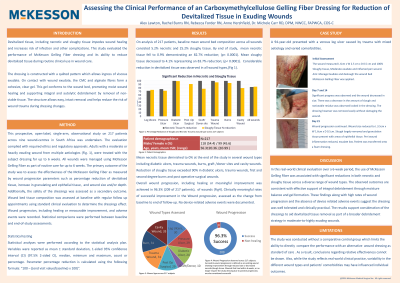
A prospective, open-label, single-arm, observational study on 217 patients across nine wound-centers in South Aftica was undertaken. Adults with a moderate or heavily exuding wound from multiple aetiologies (leg ulcers, pressure ulcers, diabetic ulcers, post operative wounds, burns, trauma wounds and cavity wounds) were treated with the subject dressing for up to 6 weeks. Wound bed tissue composition was assessed at baseline and follow up appointments to determine the affect the dressing had. Wound progression was also assessed.
Results:
At baseline, mean wound bed coverage was 5.2% necrotic and 25.2% sloughy tissue (n=217). By end of study, mean necrotic tissue fell to 0.9% (82.7% reduction; p< 0.0001) and mean slough fell to 4.1% (83.7% reduction; p< 0.0001). Across wound types where necrosis was present, several groups demonstrated 0% mean necrotic tissue at study end. Overall wound progression (including healing) was achieved in 96.3% (209/217). No device-related adverse events were documented.
Discussion: In routine clinical use across diverse, exuding wound types, this gelling fiber dressing was associated with substantial reductions in both necrotic and sloughy tissue over a 6-week period, consistent with effective support of autolytic debridement via moisture balance and gel formation. These findings suggest the dressing may be a practical option to accelerate devitalized tissue removal as part of a broader debridement strategy in moderate-to-highly exuding wounds, with a favorable safety profile in this evaluation.