
.jpg)
Evidence-Based Practice
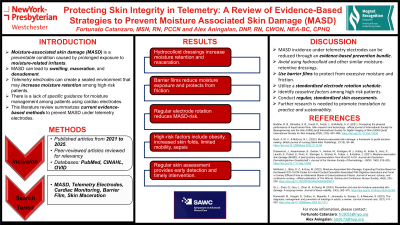
Moisture-associated skin damage (MASD) is a preventable condition that occurs when prolonged skin exposure to moisture-related irritants occurs and can lead to swelling, maceration, and denudement. Telemetry electrodes can create a sealed environment that may increase moisture buildup, especially in patients prone to moisture retention. Although there is reliable information about MASD related to medical-device use, specific guidance for monitoring cardiac electrodes is limited. This review summarizes current evidence on evidence-based methods to prevent MASD under telemetry electrodes.
Methods:
An evidence-based literature search of PubMed, CINAHL, and OVID was conducted for articles published from 2021 to 2025 using the search terms moisture-associated skin damage, telemetry electrodes, device-related skin injury, barrier film, skin maceration, and cardiac monitoring. Evidence-based, peer-reviewed studies, clinical practice guidelines, and consensus statements relevant to adult inpatient monitoring were included. Ten sources met the criteria for further analysis.
Results:
Five major themes emerged. First, hydrocolloid dressings were linked to increased moisture retention and maceration, suggesting they should not be used under telemetry electrodes. Second, barrier films were effective in reducing moisture-friction interaction and protecting delicate skin from injury caused by excessive moisture. Third, following a scheduled rotation of electrodes allowed the skin to breathe and reduced the risk of prolonged moisture exposure. Fourth, assessing patient risk was crucial, with clear risk indicators including excessive perspiration, fever, skin folds secondary to obesity, fragile skin, limited mobility, and conditions that cause excess moisture, such as heart failure or sepsis. Identifying these factors early can help clinicians categorize patient risk, allowing for more frequent assessments and tailored preventive measures. Fifth, regular skin inspections, especially during lead changes or vital sign checks, helped detect MASD early and allowed for timely intervention.
Discussion:
Evidence shows that MASD under telemetry electrodes can be reduced through a multifaceted prevention approach. Avoiding moisture-retaining surfaces, using barrier protection, rotating electrodes at set intervals, implementing risk-based prevention plans, and conducting systematic skin assessments enhance monitoring practices and lower the chances of preventable skin injuries. Future research should examine adherence to MASD prevention strategies and their effects on high-risk telemetry patients.