
.jpg)
Evidence-Based Practice
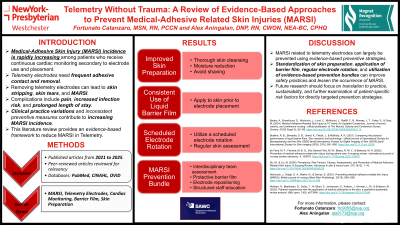
The incidence of medical adhesive-related skin injury (MARSI) is steadily increasing among hospitalized adults who receive continuous cardiac monitoring secondary to electrode use and placement. Telemetry electrodes need frequent adhesive contact and removal. This process can lead to skin stripping, skin tears, and moisture-associated skin damage (MASD). These complications can increase pain, worsen the risk for infection, and prolong length of hospital stays. Although there are guidelines available, variations in practice and inconsistent preventive measures still contribute to the rising incidence of MARSI. This literature review brings together recent evidence on methods that can reduce MARSI linked to the use of telemetry electrodes.
Methods:
A structured literature search was conducted in PubMed, CINAHL, and OVID for evidence-based publications from 2021 to 2025. Search terms used included medical adhesive-related skin injury (MARSI), telemetry electrodes, cardiac monitoring, barrier film, skin preparation, and medical-device-related injuries. Only peer-reviewed studies, clinical practice guidelines, and consensus statements relevant to adult telemetry monitoring and MARSI was reviewed and utilized. Ten sources met the search criteria and were analyzed for common themes for MARSI prevention and quality improvement.
Results:
Four major themes emerged. First, improved skin preparation, which includes cleansing, reducing moisture, and avoiding shaving, was linked to a lower risk for MARSI. Second, using liquid barrier film consistently before placing electrodes showed significant reductions in skin stripping and medical-adhesive damage. Third, utilizing a scheduled electrode rotation and regular skin checks lowered localized mechanical stress on the skin. Finally, MARSI prevention bundles that combined assessment, barrier protection, device repositioning, and structured staff education led to noticeable decreases in medical adhesive-related injuries. The studies also highlighted that older adults and those with moisture imbalances or fragile skin faced a higher risk.
Discussion:
Recent evidence shows that MARSI related to telemetry electrodes can largely be prevented using evidence-based preventive strategies. Standardizing skin preparation, applying barrier film, rotating electrodes regularly, and using prevention bundles can improve safety practices and lessen the occurrence of skin injuries. Future research should focus on how well these strategies are put into practice, review adherence to the prevention bundles, and examine patient-specific risk factors to better direct targeted prevention efforts.