(CS-002) Parenteral Nutrition for Chronic Wound Healing: A Case Study
Friday, April 10, 2026
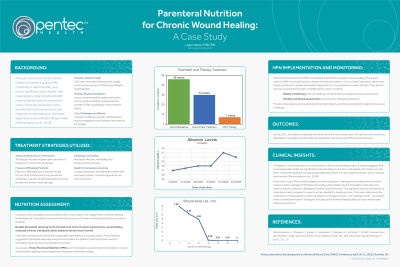
Introduction: Pressure ulcers significantly impact patient quality of life, increase mortality risk, and lead to substantial costs on healthcare systems. Approximately 60,000 patients die annually from pressure ulcers. Nutritional deprivation and inadequate dietary intake are key contributors to impaired wound healing. Protein is the most important macronutrient as it is indispensable for the repair of tissues, proteins are vital in all stages of the wound healing process with the body requiring nearly double the daily protein intake to promote wound healing (Mahmoodpoor et al., 2018). This case study highlights the clinical impact of home parenteral nutrition (HPN) in a 60-year-old male with a chronic stage IV sacral pressure ulcer and multiple comorbidities, including osteomyelitis, atypical hemolytic uremic syndrome, cerebrovascular accident, and quadriplegia. Despite 16 weeks of self-management and 40 weeks of advanced wound care at a specialized facility, healing remained minimal.
Methods: A comprehensive nutrition assessment revealed the patient was receiving 112% of protein and 151% of calculated caloric requirements via oral and enteral nutrition. Laboratory studies showed albumin levels of 3.7g/dL, the low end of normal. Despite this, wound healing was limited, suggesting possible malabsorption or altered metabolic needs. In April 2025, HPN was initiated via a central venous catheter, infused overnight for 12 hours daily. The HPN formula was customized to the patient’s needs and monitored by a multidisciplinary team of registered dietitians, pharmacists, and home healthcare professionals. Weekly lab monitoring guided individualized adjustments.
Results: After seven weeks of daily HPN, the stage IV sacral pressure ulcer was fully healed, HPN was discontinued, and the patient was discharged from the wound clinic. No complications related to HPN were reported. The success was attributed to targeted IV nutrient delivery and coordinated care.
Discussion: HPN may be a pivotal intervention for chronic, non-healing wounds in nutritionally compromised patients. This case demonstrates the role of individualized nutrition strategies in chronic, non-healing wound management, particularly when conventional approaches such as oral and enteral feeding fail to produce measurable clinical improvement. The integration of HPN into wound care protocols may offer a valuable solution for select chronic wound patients.

.jpg)