(CS-171) The effectiveness of a new multilayered foam dressing on the management of diabetic foot ulcers
Friday, April 10, 2026
Tania Woodrow, BSc – Cornwall Partnership NHS Foundation Trust, Truro, United Kingdom; Rebecca Rodger, BSc – Convatec Technology Centre, Deeside, United Kingdom
Introduction: Diabetic foot ulceration (DFU) is a serious complication of diabetes, often associated with neuropathy, peripheral arterial disease, Charcot arthropathy, renal impairment, and infection, which increase the risk of amputation. Effective management requires a structured plan addressing wound symptoms and underlying factors. This study evaluated the effectiveness of a multilayered foam dressing* incorporating hydrofiber technology in managing DFUs with complex comorbidities.
Methods: Patients with type 1 or type 2 diabetes and DFUs were treated in a podiatry-led hospital clinic. Wounds were cleansed, debrided, and dressed with a non-adhesive multilayered foam dressing*. Off-loading was provided as required. Wound progression was monitored at each dressing change, assessing exudate level, peri-wound condition, and wound bed tissue.
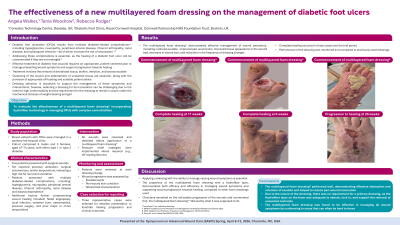
Results: A total of 11 patients (8 male, 3 female; aged 47–74 years) were treated. All presented with multiple complications, including neuropathy, peripheral arterial disease, renal disease, and prior ulceration or amputation; five cases involved surgical wounds. The foam dressing demonstrated effective symptom management, including reduced exudate, improved peri-wound skin, enhanced wound bed tissue quality, and decreased wound size. Dressing change frequency was reduced, and complete healing occurred in three cases during the observation period. Compared to previously used dressings, the dressing showed improved absorption, retention, and conformability.
Discussion: The multilayered foam dressing* with hydrofiber technology was effective in managing DFU symptoms and supporting healing. Its absorptive and de-sloughing properties eliminated the need for a primary dressing, while its conformability facilitated secure placement in anatomically challenging areas. These findings suggest that this dressing may improve clinical efficiency and outcomes in DFU management.

.jpg)