(CS-113) Clinical Evaluation of an All-in-One Negative Pressure Wound Therapy Dressing for Lower Extremity Wound Management
Friday, April 10, 2026
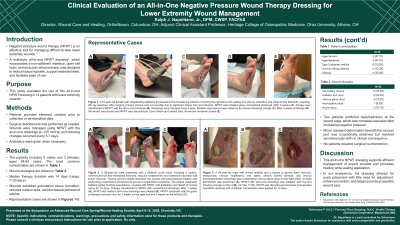
Introduction: Negative pressure wound therapy (NPWT) is an effective tool for managing difficult-to-heal lower extremity wounds. A multilayer, all-in-one NPWT dressing, which incorporates a non-adherent interface, open-cell foam, and an acrylic-silicone drape, was designed to reduce tissue ingrowth, support extended wear, and facilitate ease of use. This study evaluates the clinical outcomes of using this dressing with NPWT in 10 patients with lower extremity wounds.
Methods: A retrospective review of patients with lower extremity wounds was conducted at a single orthopedic center. Study participants provided informed consent, and de-identified data were handled according to regulations. After initial assessment, surgical debridement was performed as needed. Wounds were managed using NPWT with the all-in-one dressings at -125 mmHg, and dressing changes occurred every 5–7 days. Antibiotics were given when necessary. Wounds were assessed at each visit, and NPWT continued until therapeutic goals were met. Weekly follow-ups were conducted until wounds closed or home management became suitable.
Results: The patients included 8 males and 2 females, aged 28-94 years. Nearly all patients had multiple comorbidities, most commonly hypertension, diabetes mellitus, and chronic kidney disease. Etiologies included post-surgical secondary closure (n=3), acute injury (n=1), venous stasis ulcers (n=2), diabetic foot ulcer (n=3), and neuropathic ulcer (n=1). Median therapy duration was 14 days (range: 7–30 days). All wounds exhibited progression toward healing, with granulation tissue formation, reduced surface area, and decreased periwound edema. Two patients exhibited hyperhydration at the wound edge, which saw complete resolution after increasing negative pressure. Patients expressed minimal discomfort at dressing changes. Minor, transient deformation beneath the vacuum port was occasionally observed but resolved spontaneously with no clinical consequence. No instances of hematoma, wound infection, device malfunction, or other adverse reactions were recorded. All wounds demonstrated continuing advancement toward closure, and no patients required surgical re-intervention.
Discussion: This all-in-one NPWT dressing supports efficient management of wound exudate and promotes healing while easing application. In our experience, the dressing allowed for quick placement with little need for adjustment, enhanced comfort, and helped provide accessible wound care.

.jpg)