
.jpg)
Case Series/Study
Wound pain is a frequent and complex challenge in clinical practice, that negatively affects healing outcomes, reduces mobility and impacts on quality of life. The level of pain can be intensified by factors such as elevated bioburden/ infection, inflammation, high exudate, and trauma linked with dressing changes.
Polyhexamethylene biguanide (PHMB) foam dressings offer a combined approach to pain management by providing rapid antimicrobial activity while maintaining a moist, atraumatic healing environment, potentially reducing both infection-related pain and trauma-associated discomfort. This study aimed to examine the effect of PHMB foam dressings on wound pain in patients presenting with moderate to severe pain.
Methods:
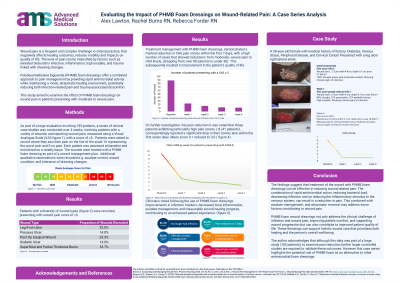
A series of clinical case studies was conducted over 4 weeks, involving patients reporting wound pain with a baseline Visual Analogue Scale (VAS) score of ≥5. Each patient was treated with a PHMB foam dressing as part of a wound management plan. Pain levels were assessed at baseline and monitored on a weekly basis. Additional qualitative observations were recorded e.g. exudate control, wound condition, and tolerance of dressing changes.
Results:
Patients demonstrated a marked reduction in VAS pain scores within the first 7 days, several cases showed reductions from moderate–severe pain to mild levels. Clinicians noted improvements in exudate management, and decreased local inflammation, contributing to an enhanced patient experience.
Discussion: The findings suggest that PHMB foam dressings can be effective in reducing wound-related pain. The combination of rapid antimicrobial action, exudate management, and atraumatic removal may address some of factors of wound pain. The author acknowledges that larger controlled studies are required to validate these outcomes. This case series highlights the potential role of PHMB foam in improving patient comfort, supporting wound progression, and improving quality of life.