
.jpg)
Case Series/Study
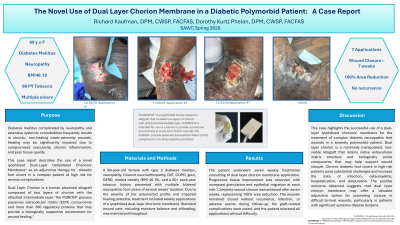
Diabetes mellitus complicated by neuropathy and extensive systemic comorbidities frequently results in chronic, non-healing lower-extremity wounds. Healing may be significantly impaired due to compromised vascularity, chronic inflammation, and poor tissue quality. This case report describes the use of a novel lyophilized Dual-Layer Dehydrated Chorionic Membrane* as an adjunctive therapy for multiple diabetic foot ulcers in a complex patient at high risk for serious complications. Dual Layer Chorion is a human placental allograft composed of two layers of chorion with the attached intermediate layer. The PURION® process preserves extracellular matrix (ECM) components and more than 300 regulatory proteins that may provide a biologically supportive environment for wound healing.1
Methods:
A 69-year-old female with type 2 diabetes mellitus, neuropathy, Charcot neuroarthropathy, DVT, COPD, gout, GERD, morbid obesity (BMI 46.18), and a 60+ pack-year tobacco history presented with multiple bilateral neuropathic foot ulcers of several weeks’ duration. Due to the severity of her polymorbid profile and impaired healing potential, treatment included weekly applications of a lyophilized dual-layer chorionic membrane. Standard wound care, including moisture balance and offloading, was maintained throughout.
Results:
The patient underwent seven weekly treatments consisting of dual layer chorion membrane application. Progressive tissue improvement was observed, with increased granulation and epithelial migration at each visit. Complete wound closure was achieved after seven weeks, representing 100% area reduction. The wounds remained closed without recurrence, infection, or adverse events during follow-up. No graft-related complications were noted, and the patient tolerated all applications without difficulty.
Discussion:
This case highlights the successful use of a dual-layer lyophilized chorionic membrane for the treatment of complex diabetic neuropathic foot wounds in a severely polymorbid patient. Dual layer chorion is a minimally manipulated, non-viable allograft that retains native extracellular matrix structure and biologically active components that may help support wound closure. Chronic diabetic foot ulcers in high-risk patients pose substantial challenges and increase the risks of infection, osteomyelitis, hospitalization, and amputation. The positive outcome observed suggests that dual layer chorion membrane may offer a valuable adjunctive option for promoting closure in difficult-to-heal wounds, particularly in patients with significant systemic disease burdens.