(CS-069) Case Series Evaluating the Effectiveness of Multi-Modality Topical Oxygen Therapy in the Treatment of Complex Chronic Wounds
Friday, April 10, 2026
Introduction: Chronic, nonhealing wounds present significant clinical challenges, particularly in patients with complex comorbidities and a history of failed conventional therapies. Multi-Modality Topical Oxygen Therapy (ITOT), which delivers continuous oxygen under pressure directly to the wound bed, has emerged as a promising adjunctive modality. This case series evaluates the effectiveness of ITOT therapy in three patients with recalcitrant chronic wounds of varying etiologies.
Methods: Three patients with longstanding, nonhealing lower extremity wounds were treated at a wound care center after failing multiple standard and advanced wound care interventions, including negative pressure wound therapy (NPWT), cellular and tissue-based products (CTPs), surgical debridement, and, where indicated, hyperbaric oxygen therapy (HBO). ITOT therapy was initiated as adjunctive treatment, often in combination with CTPs and compression therapy. Wound dimensions were serially measured, and relevant laboratory and imaging studies were reviewed to monitor progress and exclude complicating factors such as osteomyelitis.
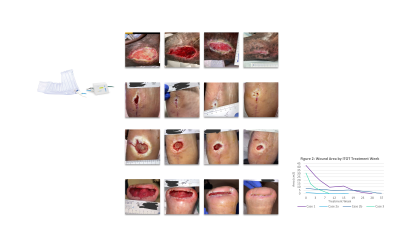
Results: All three patients demonstrated significant wound healing following the initiation of ITOT therapy. Case 1, a 71-year-old male with a 3-year-old pressure injury refractory to multiple interventions, achieved complete wound closure after 6 months of ITOT and CTP therapy. Case 2, a 57-year-old female with a chronic neuropathic ulcer and Charcot arthropathy, experienced marked wound improvement and avoided further infection-related hospitalizations, with progressive reduction in wound size during ITOT treatment. Case 3, a 73-year-old male with a nonhealing transmetatarsal amputation site and extensive vascular history, achieved full wound closure within one month of combined ITOT and CTP therapy, thereby avoiding major amputation.
Discussion: ITOT therapy, as an adjunct to standard and advanced wound care modalities, facilitated wound healing in patients with complex, chronic wounds unresponsive to prior treatments. These cases highlight the potential of ITOT to promote closure and limb salvage in high-risk populations. Further studies are warranted to confirm these findings in larger cohorts.

.jpg)