
.jpg)
Health Economics
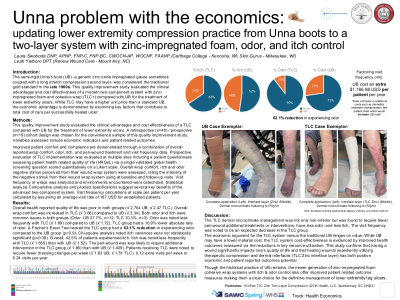
The semi-rigid Unnas boot (UB) -a generic zinc oxide impregnated gauze sometimes coupled with a long stretch compression second layer- was considered the traditional gold standard in the late 1900s. This quality improvement study evaluated the clinical advantages and cost effectiveness of a modern two-component system with zinc-impregnated foam and cohesive wrap (TLC+) compared with UB for the treatment of lower extremity ulcers. While TLC+ may have a higher unit price than a standard UB, the economic advantage is demonstrated by examining key factors that contribute to total cost of care per successfully healed ulcer. The aim is to maximize improvements in health status given the resources available while acknowledging that patient quality of life factors such as odor and itch control are not commonly reflected in economic decision making. Prospective evaluation of TLC+ implementation was evaluated at multiple sites including a patient questionnaire assessing patient health related quality of life (HRQoL) via a single validated global health screening question scored quantitatively on a likert scale. Overall wrap comfort, itch and odor negative stimuli perceived from their wound wrap system were assessed, rating the intensity of the negative stimuli from their wound wrap system using a numerical rating scale at baseline and follow-up visits. Visit frequency of wraps was analyzed and environments encountered were catechized. Dermal microclimate management was non-inferior. The visit frequency was noted to be an expected decrease in the TLC+ group. Comparative analysis and product specifications suggest several key benefits of the advanced two-component system. The economic argument for the TLC+ system versus the traditional UB hinges on value. While UB may have a lower material cost, the TLC+ system cost-effectiveness is evidenced by improved health outcomes measured via the reductions in key resource utilization. Though the historical practice of UB remains, the newer generation of zinc-impregnated foam cohesive wrap systems with itch & odor control also offer improved patient related outcome measures making them a clear choice for the definitive management of lower extremity leg ulcers.
Methods: This quality improvement study evaluated the clinical advantages and cost effectiveness of a TLC+ compared with UB for the treatment of lower extremity ulcers. A retrospective/prospective cohort design was chosen for the quality improvement study. Variables assessed include economic indicators and patient related outcomes. Improved patient comfort and compliance are demonstrated through a combination of HRQoL and visit frequency data.
Results:
Discussion: