
.jpg)
Case Series/Study
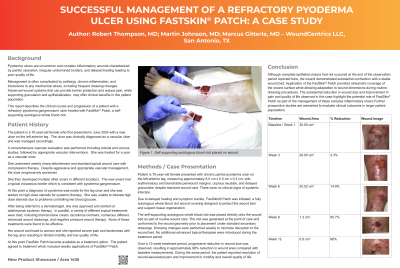
Pyoderma gangrenosum (PG) is a rare, chronic, ulcerative skin disease characterized by neutrophilic inflammation and tissue destruction, often triggered by minor trauma and resistant to standard wound therapies. Management remains challenging, requiring both systemic immunomodulation and advanced local wound care. Autologous, blood-based therapies may offer a biologically compatible alternative capable of promoting healing without exacerbating inflammation. This case series describes early clinical experience using an autologous blood patch system as an adjunctive therapy for pyoderma wounds refractory to conventional care. One patient with clinically confirmed PG and chronic non-healing ulcers was treated with an autologous blood patch system in addition to ongoing systemic management. Patches were prepared from small volumes of the patient’s own venous blood at the point of care and applied weekly to the wound bed. Wound progression, pain level, exudate, and tolerance were assessed through serial evaluations and photographic documentation over a 10–12 week period. Prior to this treatment the patient had multiple applications of a variety of topical treatments and systemic therapy with steroids and biologic agents. In spite of all previous treatments the patient still had a large, complicated, painful, tender ulcer from pyoderma granulosum. This patient showed immediate signs of clinical improvement, including rapid reduction in pain and inflammation after the first five applications. Progressive granulation and epithelial advancement were observed in subsequent weeks, with partial closure achieved in each case by the end of the treatment phase. No treatment-related adverse events occurred, and patient tolerance was high. The autologous patch system appeared to stabilize the wound environment, supporting healing without triggering new inflammatory activity. This new treatment was more effective in a short period of time than all other previous treatments.
Methods:
Results:
Discussion:
This initial clinical experience suggests that autologous blood-based wound therapy may represent a safe and effective adjunct in the management of pyoderma gangrenosum. The therapy’s biologically active and patient-specific nature allows for integration within complex care regimens without inducing pathergy. Further case accumulation and systematic evaluation are ongoing to validate these preliminary findings and explore broader applications in inflammatory wound healing.