
.jpg)
Case Series/Study
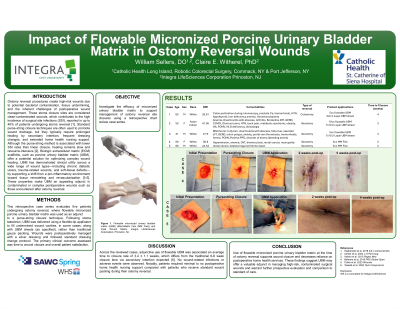
Ostomy reversal procedures create high-risk wounds due to potential bacterial contamination, tissue undermining, and challenges with postoperative wound management. Standard purse-string closure techniques often require open wound packing and prolonged home health nursing support to facilitate healing by secondary intention. Biologic extracellular matrix scaffolds, such as porcine urinary bladder matrix (UBM), has shown utility in supporting complex wound management in various specialties including trauma, chronic wounds, and diabetic wounds.
Methods:
This retrospective case series evaluates 5 patients undergoing ostomy reversal, where flowable micronized porcine urinary bladder matrix was used as an adjunct to a purse-string closure technique. Following stoma takedown, UBM was delivered using a flexible-tip applicator to fill undermined wound cavities rather than traditional gauze packing. Wounds were postoperatively managed with a standard dressing protocol following UBM application. Clinical outcomes assessed included time to wound closure, postoperative complications, need for home health nursing support, and patient satisfaction.
Results: Across the reviewed cases, adjunctive use of flowable UBM was associated with accelerated wound closure (compared to typical healing times) despite the high-risk, potentially contaminated nature of the wounds. Patients achieved closure from 6-8 weeks. No wound-related infections or adverse events were observed. Notably, patients required minimal to no postoperative home health nursing support compared with patients who receive standard wound packing during their ostomy reversal.
Discussion: Use of flowable micronized porcine urinary bladder matrix at the time of ostomy reversal supports wound closure and decreases reliance on postoperative home health services. These findings suggest UBM may offer a valuable adjunct in managing high-risk, contaminated surgical wounds and warrant further prospective evaluation and comparison to standard of care.